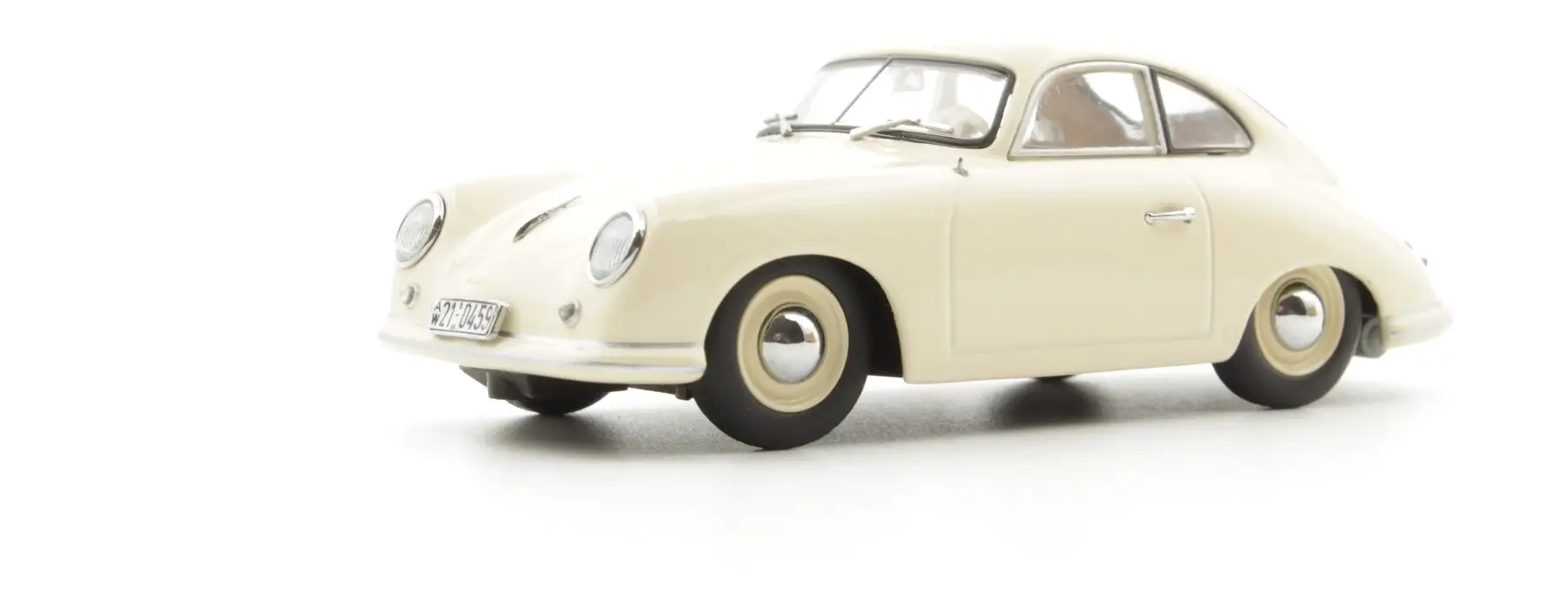
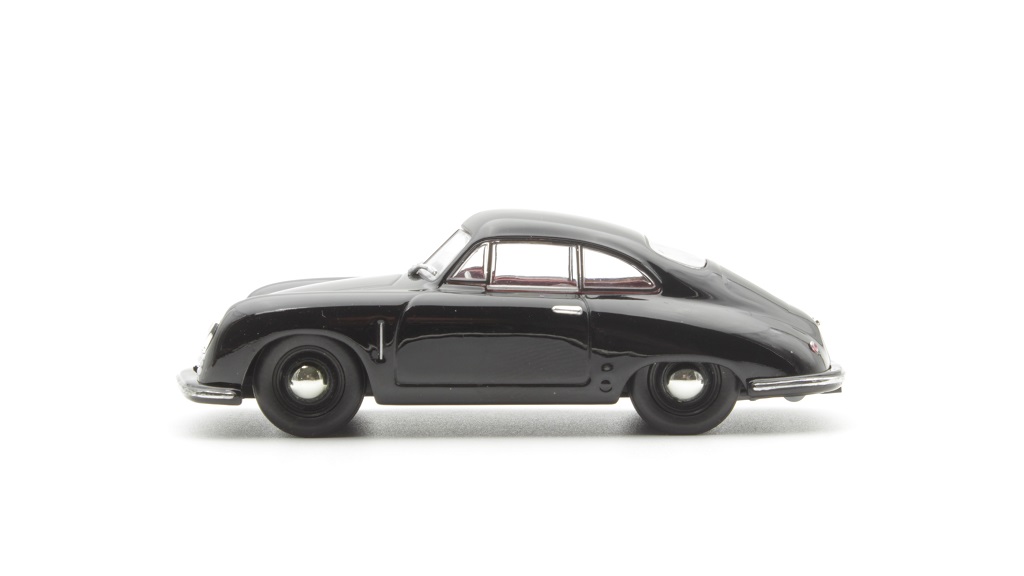
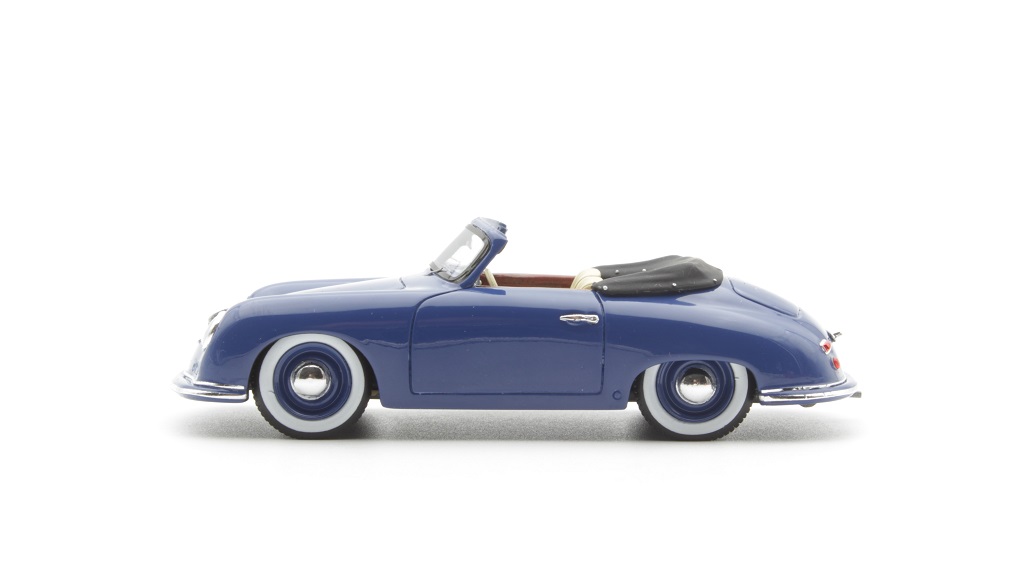
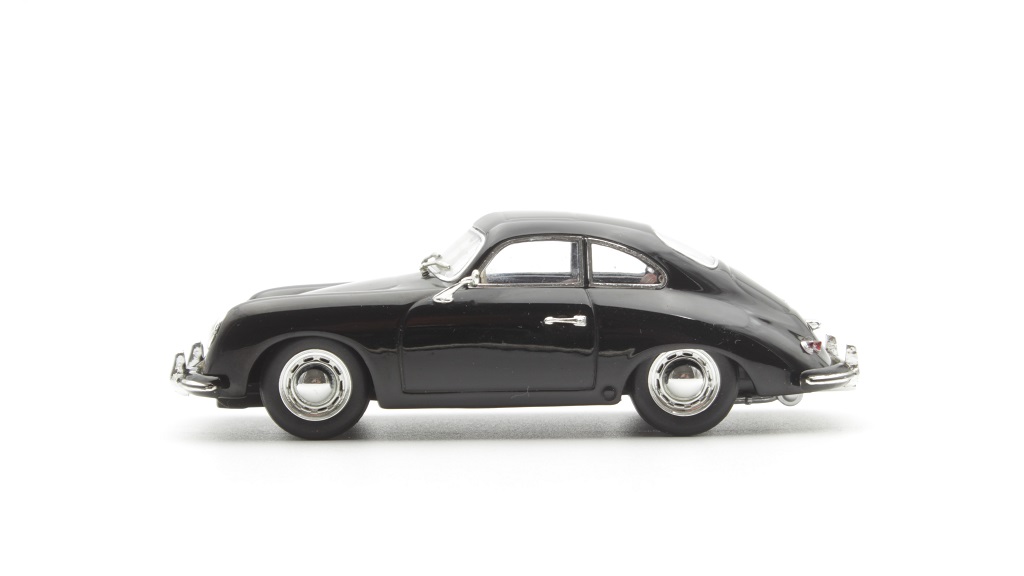
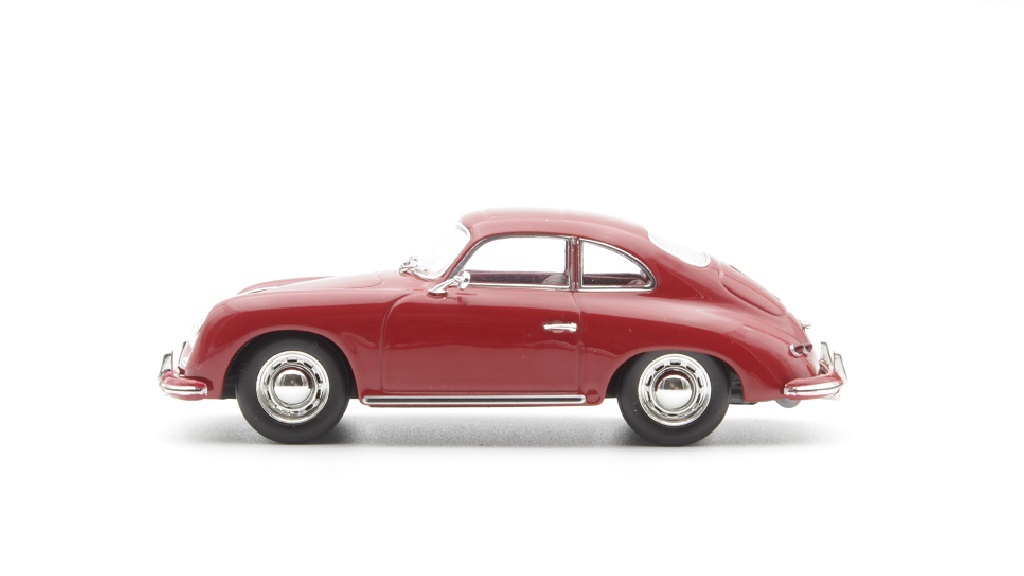
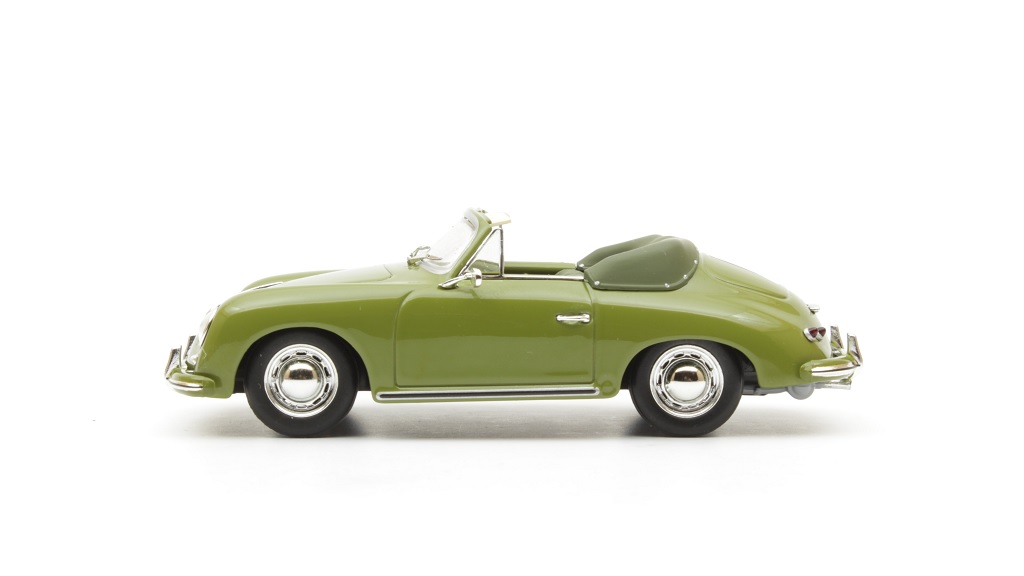
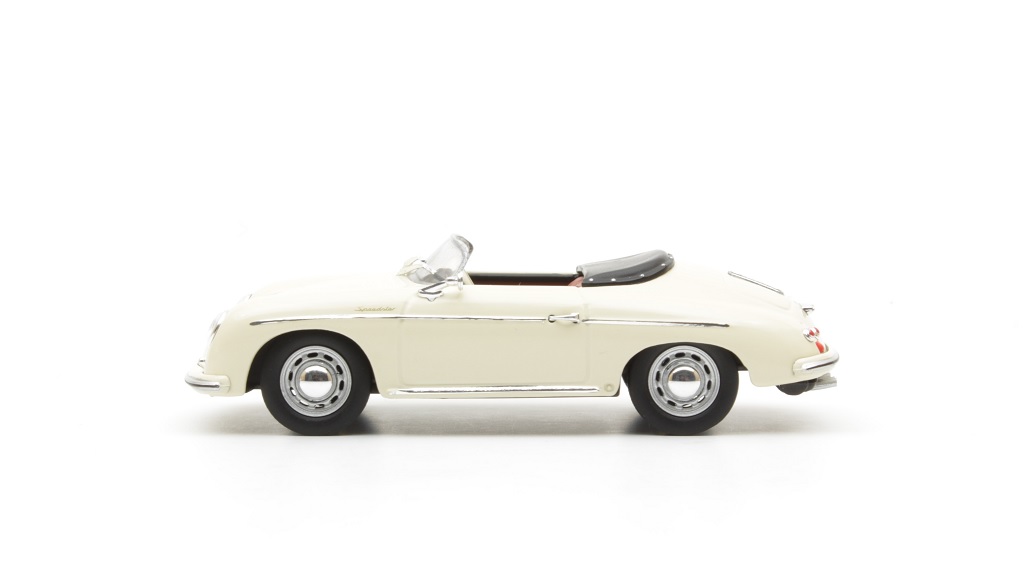
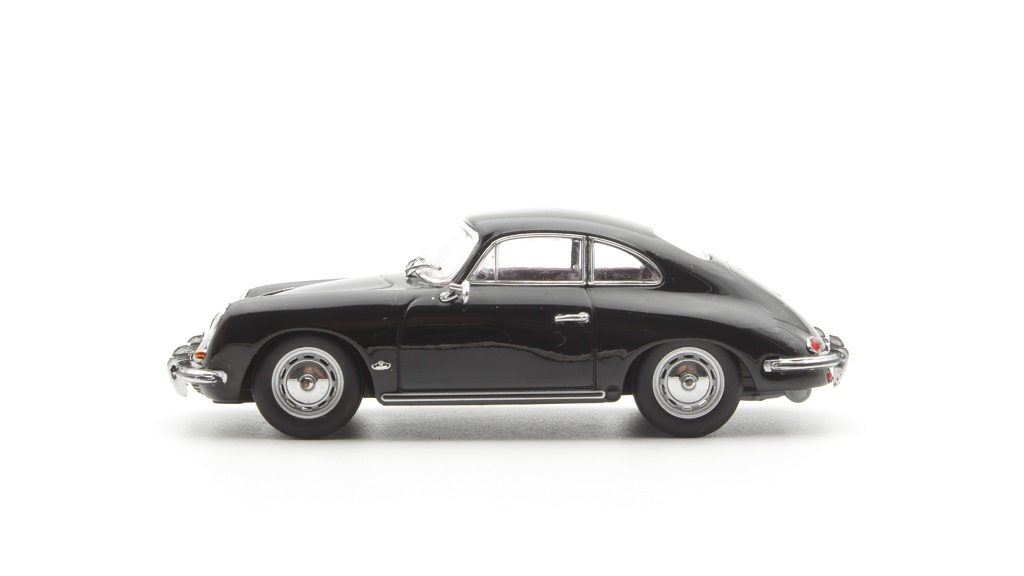
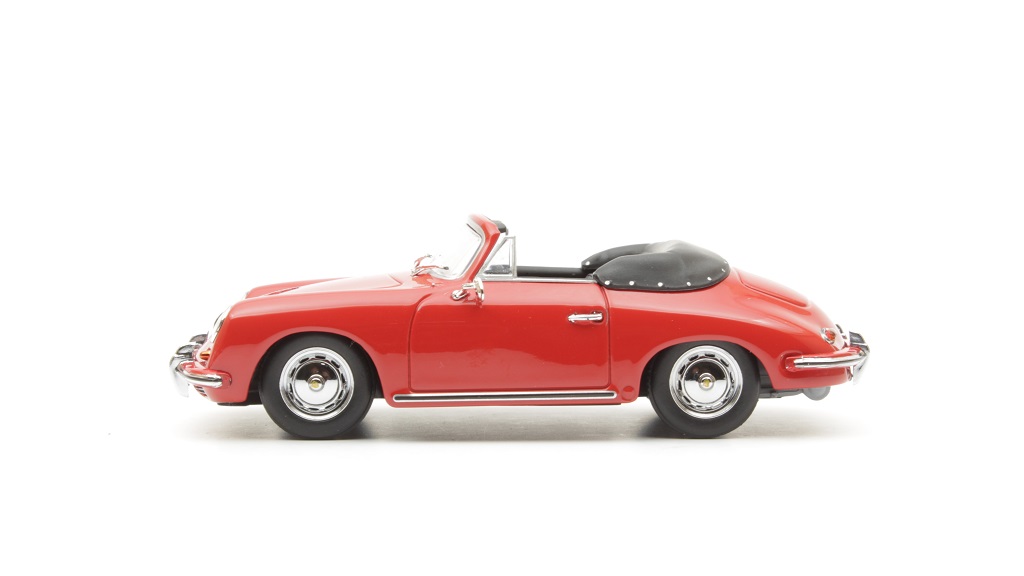
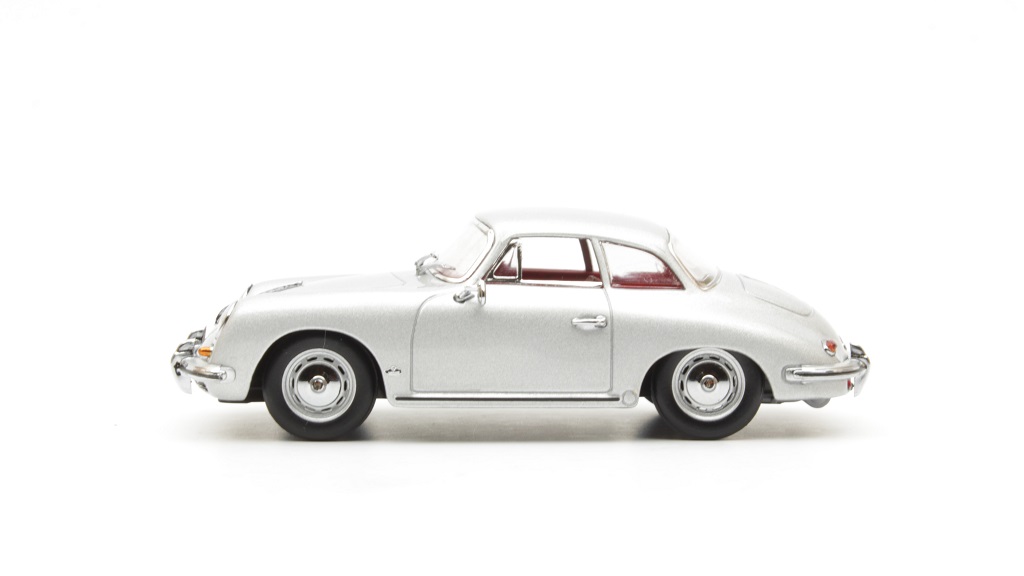
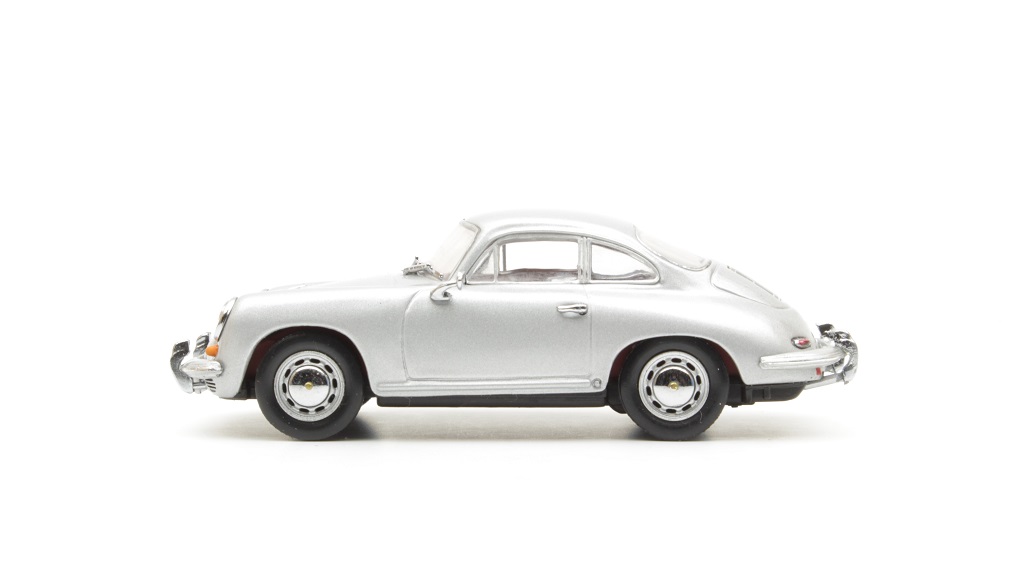
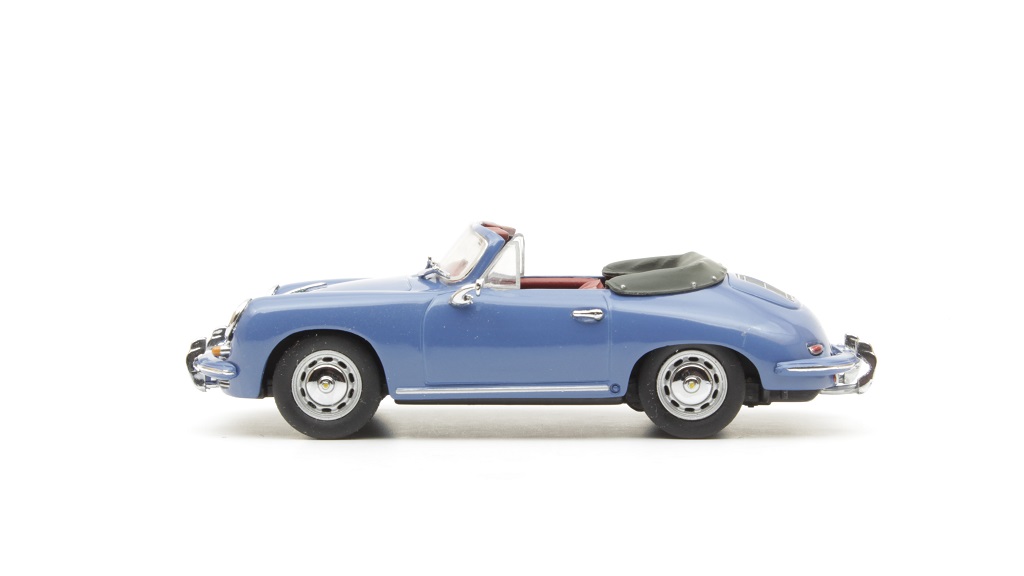
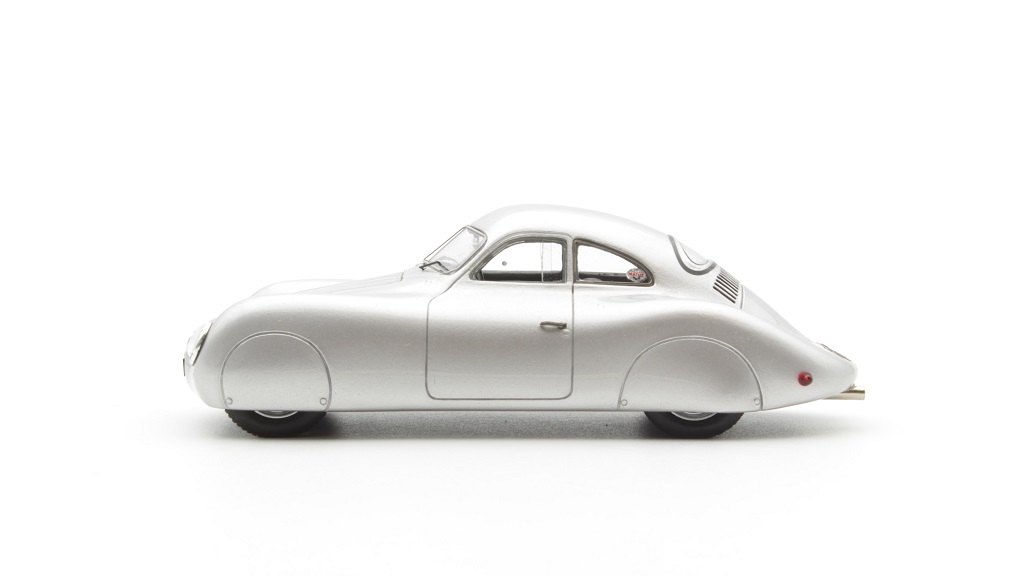
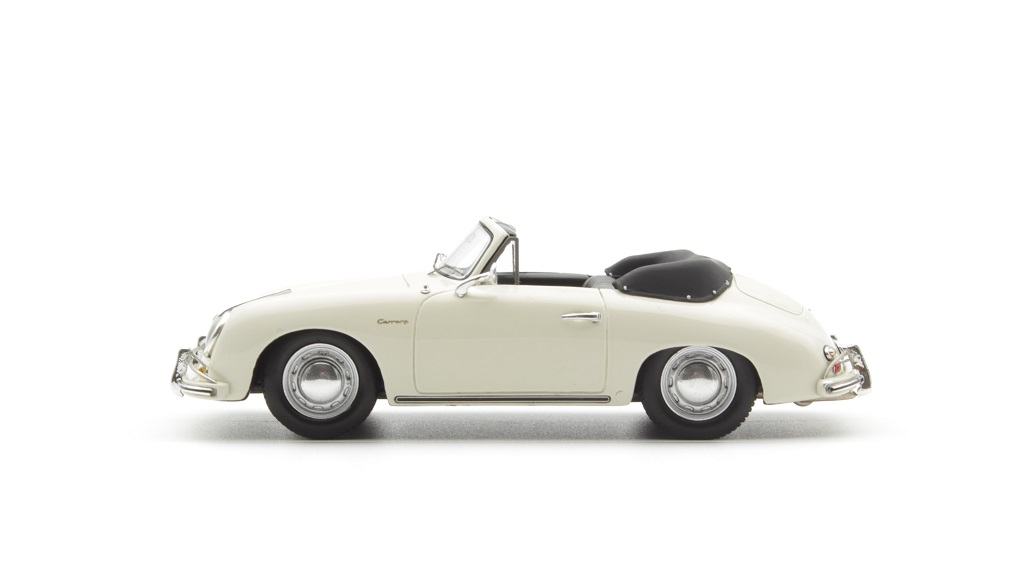
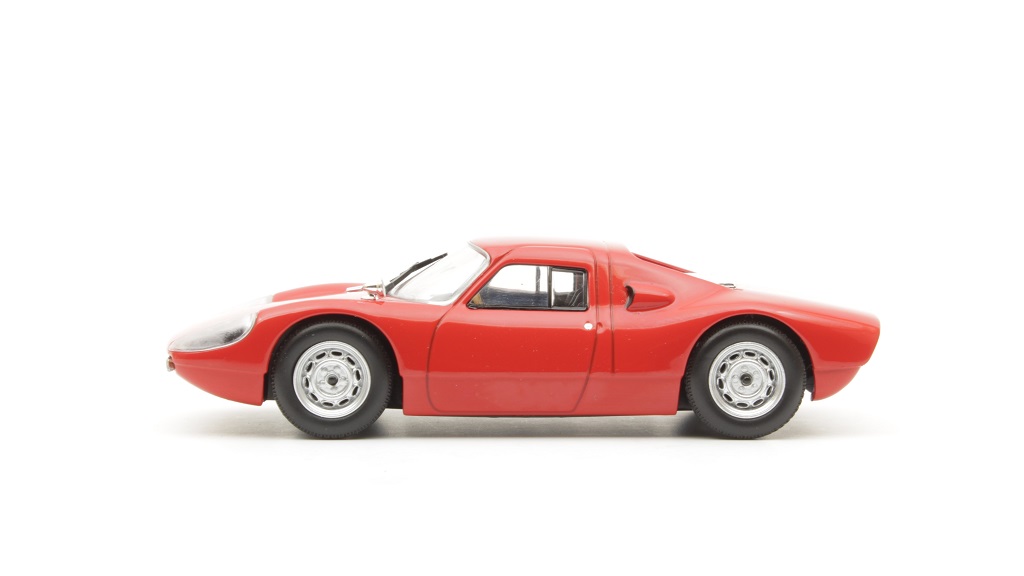
As the first production car to carry the Porsche name, it established the foundation for everything that followed — lightweight design, rear-engine layout, and a focus on driving experience. Simple, elegant, and timeless, the 356 represents the origin of the Porsche philosophy.
The earliest 356 models were lightweight and hand-built, focused on simplicity and balance. With modest power and low weight, they delivered a pure and engaging driving experience that defined the character of early Porsche sports cars. These models represent the raw origin of the brand.
With the introduction of the 356 A, Porsche refined both design and engineering. Improved handling, comfort, and build quality made the car more usable, while maintaining its lightweight and responsive nature. The 356 was becoming a true sports car for everyday use.
The 356 B introduced subtle design changes and further technical improvements. By this time, Porsche had established itself as a serious sports car manufacturer, both on the road and in motorsport. The 356 gained worldwide recognition.
The 356 C marked the final development of the original Porsche model. With improved braking and refined engineering, it represented the most complete version of the 356. A fitting conclusion before the arrival of the 911.
From the very beginning, the 356 proved its capabilities in motorsport. Lightweight construction and reliability made it highly competitive in endurance racing, laying the foundation for Porsche’s racing success. These models reflect the early racing spirit of the brand.